
| Checklist of the Collembola: Tomoceridae |
| Genus | Number of species |
|---|---|
| Antennacyrtus | 1 |
| Aphaenomurus | 1 |
| Entomocerus | 1 |
| Lasofinius | 2 |
| Lepidophorella | 9 |
| Lethemurus | 3 |
| Monodontocerus | 7 |
| Neophorella | 1 |
| Novacerus | 3 |
| Plutomurus | 39 |
| Pogonognathellus | 21 |
| Pseudolepidophorella | 1 |
| Tomocerina | 14 |
| Tomocerus (Ciliatomurus) | 2 |
| Tomocerus (Coloratomurus) | 6 |
| Tomocerus (Ocreatomurus) | 20 |
| Tomocerus (Striatomurus) | 6 |
| Tomocerus (Tomocerus) | 66 |
| Tomocerus | 102 |
| Tomolonus | 1 |
| Tritomurus | 5 |
| Yoshiicerus | 7 |
| Tomoceridae | 218 |
 |
 |
 |
 |
 |
 |
 |
 |
 |
 |
 |
 |
 |
 |
 |
 |
 |
 |
| Remark by Ellis, W.N. & Bellinger, P.F. 1973:27-28: Cyphoderus flaveus Nicolet, 1847 is an incorrect original spelling (art.32a(ii)). Nicolet, 1847:383 described the new species Cyphoderus giganteus and C. flaveus. These are also described by Nicolet in Gay, 1851[lapsus for Nicolet in Gay, 1849]:92-93. In the last paper however "flavescens" is used in stead of "flaveus". But in the first paper Nicolet cites as author of both species Nicol. in Gay, evidently the publications appeared in a reversed order. This, and the fact that "flaveus" is bad latin, brings us to the conclusion that "flaveus" is an incorrect original spelling. |
 |
 |
 |
 |
 |
 |
 |
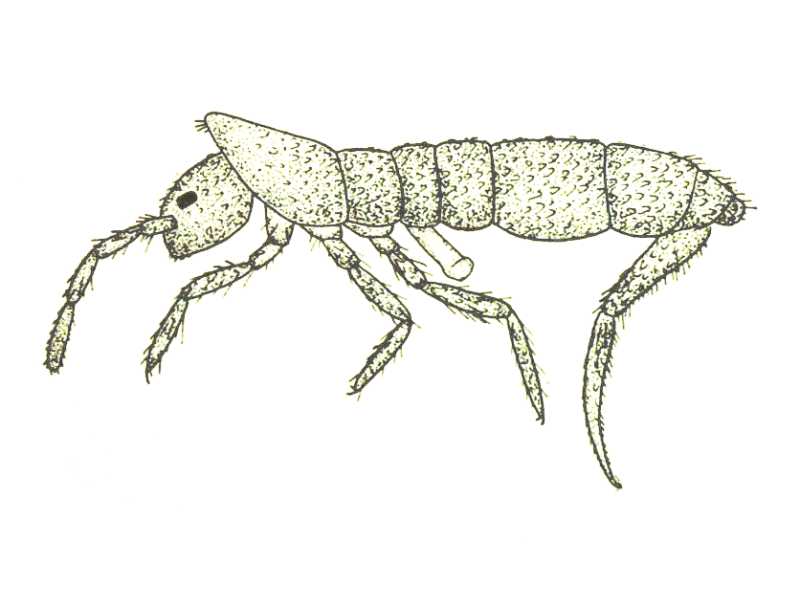
| Remark by Greenslade, P. in Dallai, R. 1989:110: The type series consists of three specimens, all probably early instars. Millsia is similar to Lepidophorella and differs only in the lack of scales and the shorter, more cylindrical dens. It is possible that Millsia is a synonym of Lepidophorella. |
 |
 |
 |
 |
 |
 |
 |
| Remark by Salmon, J.T. 1942:259: Novacerus Salmon JT, 1942 nomen novum to replace the name Neocerus Salmon, 1941, pre-occupied by Wasmann, 1893. |
 |
 |
 |
 |
 |
 |
 |
 |
 |
 |
 |
 |
 |
 |
 |
 |
 |
 |
 |
 |
| Remark by Janssens, F. 2021.07.25: Given the new combination is assigned in Appendix A of the original publication, given that appendix is provided as a supplementary file, in other words as an external resource, given the supplement is only available as an online document, it is not available in the printed version of the publication, so Appendix A is an electronic publication, given neither this electronic publication nor the recombination itself have been registered in Zoobank, given this online document is formatted as a Microsoft Word document, it is not in a fixed (portable) format, Appendix A has not been published in accordance to ICZN rules for published works and therefore 1. Appendix A is an unpublished work, 2.the recombintions in Appendix A are unavailable for Zoology. |
 |
 |
 |
| Remark by Janssens, F. 2021.07.25: Given the new combination is assigned in Appendix A of the original publication, given that appendix is provided as a supplementary file, in other words as an external resource, given the supplement is only available as an online document, it is not available in the printed version of the publication, so Appendix A is an electronic publication, given neither this electronic publication nor the recombination itself have been registered in Zoobank, given this online document is formatted as a Microsoft Word document, it is not in a fixed (portable) format, Appendix A has not been published in accordance to ICZN rules for published works and therefore 1. Appendix A is an unpublished work, 2.the recombintions in Appendix A are unavailable for Zoology. |
 |
 |
 |
| Remark by ICZN. 2007:821: Placed on the Official List of Names in Zoology. Opinion 239. |
 |
 |
 |
 |
 |
 |
 |
 |
 |
 |
 |
 |
 |
 |
 |
 |
 |
 |
 |
|
 |
 |
 |
 |
 |
|
 |
 |
 |
 |
 |
 |
 |
 |
 |
 |
 |
| Remark by Mandal, G.P. & al. 2024:765: Excluded as the new taxon is not described properly following the ICZN - Articles no. 72 & 73. |
| Remark by Mandal, G.P. & al. 2024:765: Excluded as the new taxon is not described properly following the ICZN - Articles no. 72 & 73. |
 |
 |
 |
 |
 |
 |
 |
 |
 |
 |
 |
 |
 |
 |
 |
 |
 |
 |
 |
 |
 |
 |
 |
 |
 |
 |
 |
 |
 |
 |
 |
 |
 |
 |
 |
 |
 |
 |
 |
 |
 |
 |
 |
 |
 |
 |
 |
 |
 |
 |
 |
 |
 |
 |
 |
 |
 |
 |
 |
 |
|
 |
 |
 |
 |
 |
 |
 |
 |
|
|
 |
 |
 |
 |
 |
 |
|
 |
|
 |
 |
 |
 |
 |
 |
 |
 |
 |
 |
 |
 |
 |
 |
 |
 |
 |
 |
| Remark by Janssens, F. 2021.07.23, 2023.03.11: Given the new taxon is described in Appendix A of the original publication, given that appendix is provided as a supplementary file, in other words as an external resource, given the supplement is only available as an online document, it is not available in the printed version of the publication, so Appendix A is an electronic publication, given this electronic publication has not been registered in Zoobank, given this online document is formatted as a Microsoft Word document, it is not in a fixed (portable) format, Appendix A has not been published in accordance to ICZN rules for published works and therefore 1. Appendix A is an unpublished work, and 2. the taxon Ciliatomurus Yu et al, 2020 is a nomen nudum, given its description is unpublished. In addition, according to ICZN Art.21.9, the publication date of Yu & al. is 24 October, 2020, not January, 2021. |
 |
| Remark by Janssens, F. 2021.07.23, 2023.03.11: Given the new taxon is described in Appendix A of the original publication, given that appendix is provided as a supplementary file, in other words as an external resource, given the supplement is only available as an online document, it is not available in the printed version of the publication, so Appendix A is an electronic publication, given this electronic publication has not been registered in Zoobank, given this online document is formatted as a Microsoft Word document, it is not in a fixed (portable) format, Appendix A has not been published in accordance to ICZN rules for published works and therefore 1. Appendix A is an unpublished work, and 2. the taxon Coloratomurus Yu et al, 2020 is a nomen nudum, given its description is unpublished. In addition, according to ICZN Art.21.9, the publication date of Yu & al. is 24 October, 2020, not January, 2021. |
 |
 |
 |
 |
 |
 |
| Remark by Janssens, F. 2021.07.23, 2023.03.11: Given the new taxon is described in Appendix A of the original publication, given that appendix is provided as a supplementary file, in other words as an external resource, given the supplement is only available as an online document, it is not available in the printed version of the publication, so Appendix A is an electronic publication, given this electronic publication has not been registered in Zoobank, given this online document is formatted as a Microsoft Word document, it is not in a fixed (portable) format, Appendix A has not been published in accordance to ICZN rules for published works and therefore 1. Appendix A is an unpublished work, and 2. the taxon Striatomurus Yu et al, 2020 is a nomen nudum, given its description is unpublished. In addition, according to ICZN Art.21.9, the publication date of Yu & al. is 24 October, 2020, not January, 2021. |
 |
 |
 |
 |
 |
 |
 |
 |
 |
 |
 |
 |
 |
 |
 |
 |
 |
 |
 |
 |
 |
 |
 |
 |
 |
 |
 |
 |
 |
 |
 |
 |
 |
 |
 |
 |
 |
 |
 |
 |
 |
 |
 |
 |
 |
 |
 |
 |
 |
 |
 |
 |
 |
 |
 |
 |
 |
 |
 |
 |
 |
 |
 |
 |
 |
 |
 |
 |
 |
 |
 |
 |
 |
 |
| Remark by Janssens, F. 2021.07.23, 2023.03.11: Given the new taxon is described in Appendix A of the original publication, given that appendix is provided as a supplementary file, in other words as an external resource, given the supplement is only available as an online document, it is not available in the printed version of the publication, so Appendix A is an electronic publication, given this electronic publication has not been registered in Zoobank, given this online document is formatted as a Microsoft Word document, it is not in a fixed (portable) format, Appendix A has not been published in accordance to ICZN rules for published works and therefore 1. Appendix A is an unpublished work, and 2. the taxon Ocreatomurus Yu et al, 2020 is a nomen nudum, given its description is unpublished. In addition, according to ICZN Art.21.9, the publication date of Yu & al. is 24 October, 2020, not January, 2021. |
| Remark by Nguyen, A.T.T. & al. 2022:126: However, we accept these subgenera since we consider that they are sufficiently characterized in the printed version of the publication (page 5) [of Yu & al. (2021(sic))]." |
| Remark by Janssens, F. 2023.03.11: There is no characterisation of the subgenus Ocreatomurus on p.5 of Yu & al (2021(sic)). The name Ocreatomurus is only mentioned in Fig.2 on page 5 of both the electronic version of 24 October, 2020 as in the printed version of January, 2021. |
 |
 |
 |
 |
 |
 |
 |
| Remark by Janssens, F. 2018.11.19: According to the etymology, 'nan' is a vernacular Chinese word for 'south'. ICZN Recommendation 11A: Use of vernacular names. An unmodified vernacular word should not be used as a scientific name. Appropriate latinization is the preferred means of formation of names from vernacular words. |
 |
 |
 |
 |
 |
 |
 |
 |
 |
 |
 |
 |
 |
 |
 |
 |
 |
 |
 |
 |
 |
 |
 |
 |
 |
 |
 |
| Remark by Janssens, F. 2021.07.23, 2023.03.11: Given the new taxon is described in Appendix A of the original publication, given that appendix is provided as a supplementary file, in other words as an external resource, given the supplement is only available as an online document, it is not available in the printed version of the publication, so Appendix A is an electronic publication, given this electronic publication has not been registered in Zoobank, given this online document is formatted as a Microsoft Word document, it is not in a fixed (portable) format, Appendix A has not been published in accordance to ICZN rules for published works and therefore 1. Appendix A is an unpublished work, and 2. the taxon Yoshiicerus Yu et al, 2020 is a nomen nudum, given its description is unpublished. In addition, according to ICZN Art.21.9, the publication date of Yu & al. is 24 October, 2020, not January, 2021. |
 |
 |
 |
| Remark by Janssens, F. 2021.07.25: Given the new combination is assigned in Appendix A of the original publication, given that appendix is provided as a supplementary file, in other words as an external resource, given the supplement is only available as an online document, it is not available in the printed version of the publication, so Appendix A is an electronic publication, given neither this electronic publication nor the recombination itself have been registered in Zoobank, given this online document is formatted as a Microsoft Word document, it is not in a fixed (portable) format, Appendix A has not been published in accordance to ICZN rules for published works and therefore 1. Appendix A is an unpublished work, 2.the recombintions in Appendix A are unavailable for Zoology. |
 |
 |
 |
 |
 |
 |
 |
 |
 |
 |
 |
 |
 |
|
 |
|
 |
 |
 |
|
 |
 |
 |
 |
 |
 |
 |
 |
 |


|
 |
|
 |
 |
 |
 |
 |
 |
 |
|
 |
 |
 |
 |
 |
 |
 |
 |
 |
 |
 |
 |
 |
 |
 |
 |
 |
 |
 |
 |
| Remark by Felderhoff, K.L. et al. 2010:488: The taxa included in this group are united by cuticular pigmentation, scale color, and alignment of the basal and lateral mucronal teeth, but the sequenced specimens do not seem to form a monophyletic group. Instead, they clustered in four separate groups scattered among members of the "pale complex." Additional collections, including specimens from the P. dubius type locality, will be necessary to begin to satisfactorily resolve these taxa. |
 |
 |
 |
 |
 |
 |
 |
 |
 |
 |
 |
 |
 |
|
 |
 |
 |
 |
 |
 |
 |
 |
 |
 |
 |
 |
|
 |
 |
 |
 |
 |
 |
 |
 |
|
 |
 |
 |
 |
 |
 |
 |
 |
 |
 |
 |
 |
 |
 |
 |
 |
 |
 |
 |
 |
 |
 |
 |
 |
 |
 |
 |
 |
 |
 |
 |
 |
 |
 |
 |
 |
 |
 |
 |
 |
 |
 |
 |
 |
 |
 |
 |
 |
 |
 |
|
 |
 |
 |
 |
 |
 |
 |
 |
|
 |
 |
 |
 |
|
|
|
|
 |
|
 |
 |
 |
 |
 |
 |
 |
 |
 |
 |
 |
 |
 |
 |
 |
 |
 |
 |
 |
 |
 |
 |
 |
 |
 |
 |
 |
 |
 |
 |
 |
 |
 |
 |
 |
 |
 |
 |
 |
 |
 |
 |
 |
 |
 |
 |
 |
 |
 |
 |
 |
 |
|
 |
 |
 |
 |
 |
 |
 |
 |
 |
 |
 |
 |
 |
 |
 |
 |
 |
 |
 |
 |
 |
 |
 |
 |
 |
 |
 |
|
 |
| Remark by Felderhoff, K.L. et al. 2010:488: We prefer the term "pale species group" to denote this group for convenience only, rather than "flavescens complex," to separate these North American taxa from the European species. |
 |
 |
 |
 |
| Remark by Folsom, J.W. 1913:455: "Fig.7.-Tomocerus flavescens, var. americanus. Posterior segments of abdomen of male, showing protruded genital segment. f. fold. X 30." [In error long cerci of female are shown] |
| Remark by Folsom, J.W. 1913:455: "Fig.8.-Tomocerus flavescens, var. americanus. Anal segment of male, showing cerci. X 102." [In error "of male"; should be "of female", given long cerci are shown] |
| Remark by Christiansen, K. 1964:675: It is apparent that the species here classified as T. flavescens represents a vast complex of forms. |
 |
 |
 |
 |
 |
 |
 |
 |
 |
 |
 |
 |
 |
 |
 |
|
 |
|
 |
 |
 |
 |
 |
 |
|
 |
 |
 |
 |
 |
 |
 |
 |
 |
 |
| Remark by Janssens, F. 2023.10.27: "Gul" is a vernacular Korean word that means "cave". The ICZN Rec.11A discourages the use of vernacular words as scientific names. Given appropriate latinisation is the prefered means of formation of names from vernacular words, "cavus" (= pertaining to the cave) would be an example of an appropriate name in line with Rec.11A. |
 |
 |
 |
 |
| Remark by Janssens, F. 2024.05.24: The gender of the species name "vigentiferispina" does not match with the gender of the genus name "Tomocerus". In ICZN nomenclature, Latin adjectives take the declension -us, -a, -um and must agree in gender, number and case with the noun they modify. This mismatch is clear evidence of an inadvertent error that must be corrected (Art.32.5.1). Given the stem "vigintiferispin-", "vigintiferispinus" is the adjective form agreeing with the gender of "Tomocerus" and in line with the ICZN code. |
 |
 |
 |
 |
 |
 |
 ), Dethier, M. et Hubart, J.-M. 1999. Contribution à la connaissance de la faune des grottes de Wallonie., Bulletin des Chercheurs de la Wallonie, XXXIX, 1999, p.27-54.